
Why Accepting the First Settlement Offer Is Almost Always a Mistake

Why Accepting the First Settlement Offer Is Almost Always a Mistake. Expert Insurance Settlement Negotiation Insights
By Alex Zimmerman, Personal Injury Attorney | Hull & Zimmerman, P.C.
Should you accept the first settlement offer from an insurance company? The short answer is no. Insurance companies almost always offer too little in their initial settlement proposals. This article explains why accepting that first offer is usually a mistake. We cover common pitfalls, effective negotiation strategies, and why a thorough evaluation is essential. Understanding the insurance settlement process and insurers’ tactics helps claimants in Colorado, including those in Northglenn and the Denver metro area, protect their rights and get the compensation they deserve. We explore key reasons to reject early offers, the risks involved, and how consulting a personal injury attorney can significantly improve the outcome of your claim.
Why the First Insurance Settlement Offer Often Undervalues Your Claim
Accepting the first settlement offer can lead to several common problems. Many people fall for lowball offers from insurers that don’t reflect their real damages. Insurers may pressure claimants to accept quickly without fully understanding their rights or the offer’s true impact. Not evaluating your damages properly means you might accept an amount that doesn’t cover medical bills, lost wages, or pain and suffering.
Strategies for Negotiation
To negotiate effectively, claimants should follow some key strategies. Hiring a lawyer who handles personal injury cases is critical to getting valuable advice throughout the process. Keeping careful records like medical documents and expense receipts strengthens your case. Preparing counteroffers based on a full assessment of damages can lead to better results.
Success in negotiation often depends on claiming your position firmly and knowing that initial offers rarely represent the final word.
Insurance Companies Raise Settlement Offers. Negotiation Skills
Some insurance companies will raise the settlement amount. Skills you use negotiating in other settings help when dealing with insurance companies.
The perils and pitfalls of negotiating with insurance companies, 1992
Importance of Thorough Evaluation
Before you accept any settlement, you must carefully evaluate your claim. Compare the offer to your documented losses, understand the liability release that comes with accepting, and think about the long-term effects. This thorough review helps you avoid shortchanging yourself. You need to be fully aware of your legal rights and options under Colorado law, including the statutes that govern personal injury claims and insurance settlements.
What Is the Insurance Settlement Process and How Does It Affect Your Personal Injury Claim?

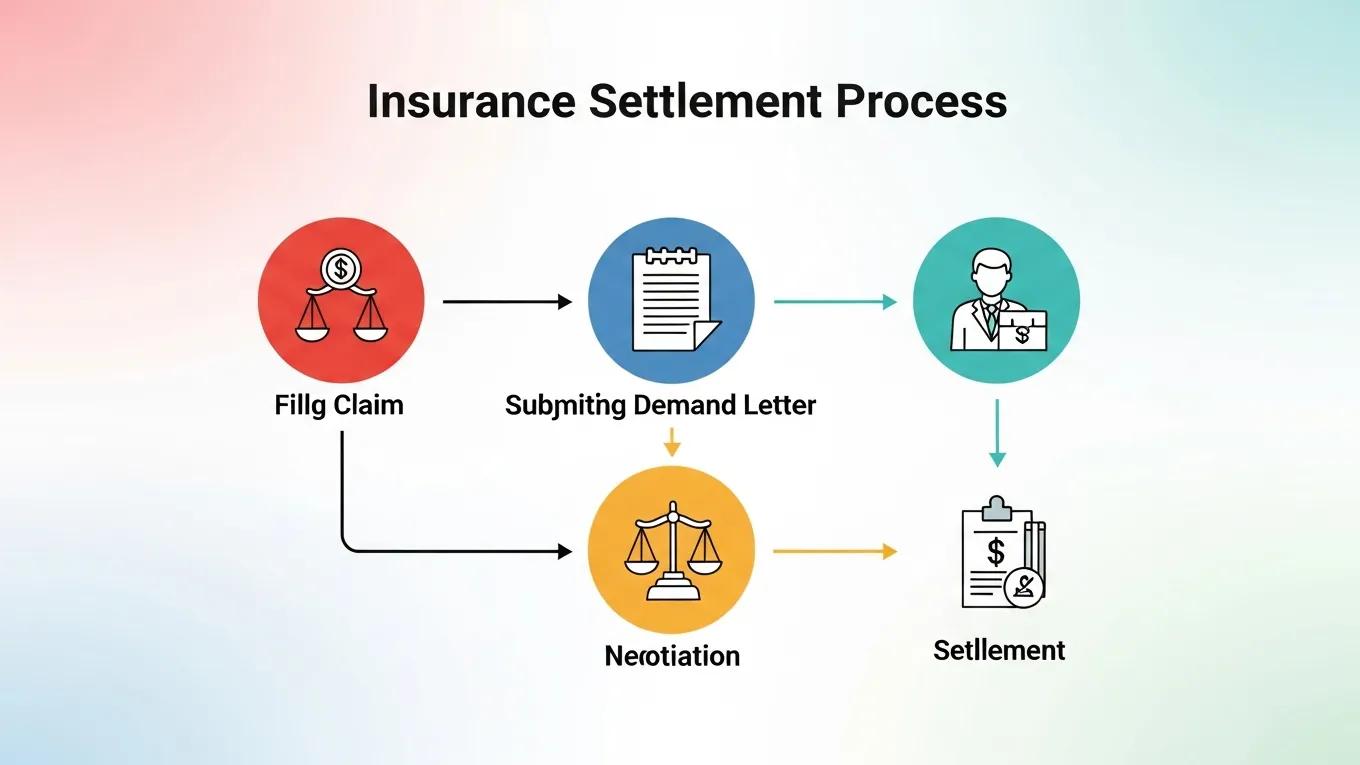
The insurance settlement process has several key steps that affect your personal injury claim. First, you file a personal injury claim with the insurance company. Then, you submit a demand letter explaining the damages you’ve suffered. Negotiations with adjusters follow, starting with their initial offer. Knowing this process well helps you avoid accepting offers too soon and manage your claim better.
How Do Insurance Companies Determine Initial Settlement Offers?
Insurance companies base their first settlement offers on the details of your claim, like how bad your injuries are and what medical bills you have. Their response to your demand letter matters since adjusters review it to decide what to offer. They also use their internal rules and past claim data to set a starting offer.
What Are the Common Tactics Used by Insurers in Settlement Negotiations?
Insurers often use tactics to minimize what they pay. Typical moves include making very low initial offers, pushing claimants to respond quickly, and twisting statements to weaken claims. Knowing these tactics lets you push back and negotiate better.
Why Should You Reject the First Settlement Offer? Key Reasons and Risks
You should usually reject the first offer for several reasons. These offers tend to be low and don’t cover all your damages. When the offer comes, you might not fully know your actual losses yet, risking financial harm if you accept too soon. Also, accepting means signing away your right to future claims for the same incident.
How Can Accepting the First Offer Undermine Your Compensation?
Taking the first offer can reduce your compensation in critical ways. Low offers might not cover your immediate medical costs. Some injuries might show symptoms later, requiring more treatment. Accepting early cuts your leverage to push for more money if new problems show up.
What Are the Most Frequent Mistakes Claimants Make When Accepting Early Offers?
Claimants often rush into accepting early offers without understanding the consequences. They might sign away future claims without legal advice. They also often underestimate ongoing medical costs, leaving them exposed financially.
How to Negotiate Insurance Settlements Effectively for Better Outcomes
To negotiate well, you need a clear strategy. Keep detailed records of everything related to your claim, including medical information and bills. Send a strong demand letter that clearly explains your damages and what you’re asking for. Stay ready for negotiations and hold firm on your goals to get better results.
Knowing how negotiation tactics and your claim’s financial side work together is key to winning a fair settlement.
Personal Injury Bargaining Strategies and Settlement Costs
Settlement costs affect issues along with bargaining strategies and tactics in personal injury cases.
Ethics and strategy in personal injury litigation, 1995
What Strategies Can Improve Your Settlement Negotiation Success?
Several strategies help improve your chances in negotiations. Limit what you share with the insurer so they don’t use it against you. Hire a lawyer to make sure you understand your rights and options. Point out emotional damages and how the injury affects your daily life. These efforts strengthen your case.
When Is It Crucial to Consult a Personal Injury Lawyer During Negotiations?
Consulting a personal injury lawyer during settlement talks is important, especially with complex claims. A lawyer knows the value of similar cases and can negotiate effectively for you. They help you avoid mistakes and reduce the stress of dealing with insurers.
How Do Different Personal Injury Types Impact Settlement Offers and Negotiations?
Different injury types affect settlements and negotiations. The seriousness of injuries, possible long-term effects, and complex liability issues all change a claim’s value. Severe injuries often get higher settlements because of costly care and the effect on your life quality.
What Settlement Considerations Are Unique to Car, Truck, and Motorcycle Accidents?
Accident types call for different settlement concerns. Car accidents usually involve medical bills, property damage, and lost wages. Truck accidents tend to cause more serious injuries because of vehicle size. Settlements may be higher. Motorcycle accidents often bring unique injuries and emotional impacts needing special attention.
How Do Traumatic Brain Injury and Wrongful Death Claims Affect Settlement Values?
Traumatic brain injury (TBI) and wrongful death claims can raise settlement values significantly. TBI may require long-term care, causing large medical bills and lost income. Wrongful death claims involve losing a loved one. They often include emotional damages and loss of companionship, making settlements more complex.
What Legal Rights and Options Do You Have When Facing an Insurance Settlement Offer?
You have rights and options when facing a settlement offer. You can reject offers that don’t cover your damages fairly. Talking to a lawyer clarifies your negotiation options and whether you can pursue more claims.
How Has Hull and Zimmerman PC Helped Clients Achieve Higher Settlements?
Hull and Zimmerman PC has a strong record of helping clients get better settlements. Their personalized legal support and detailed case reviews help clients make smart choices. Their experience means clients get paid what they truly deserve based on their damages.
Frequently Asked Questions
Why are first settlement offers from insurance companies usually too low?
Insurance companies usually make low initial offers because they want to pay as little as possible. They base these offers on limited information and use them hoping claimants accept quickly without fully assessing damages.
How long should I wait before settling an injury claim in Colorado?
Wait until your medical treatment is complete and you have full documentation of your damages before settling. In Colorado, this varies by injury but generally means several months to cover all current and future medical needs.
What happens if I accept a settlement and my symptoms worsen later?
If you accept a settlement and sign a liability release, you usually lose the right to seek more money even if your condition worsens. That’s why thorough evaluation and legal advice matter before accepting any offer.
How can I negotiate a higher settlement with an insurance company?
Document all your damages, get advice from a personal injury attorney, prepare a detailed demand letter, and be ready to push back against low offers. Knowing your rights under Colorado law strengthens your negotiation position.
Can consulting a personal injury lawyer improve my settlement outcome?
Yes. A lawyer familiar with Colorado insurance claims can greatly improve your settlement by guiding you expertly, negotiating for you, and protecting your rights throughout the process.
About the Author
Alex Zimmerman is a personal injury attorney and partner at Hull & Zimmerman, P.C., a Colorado plaintiff law firm fighting for injured people against insurance companies and negligent parties. With decades representing Colorado accident victims, Alex is known for tough advocacy against insurance companies that use delay, deny, and defend tactics. Hull & Zimmerman, P.C. offers free personal injury consultations across Colorado.